How Altium Auto Route Integrates into Automotive PCB Design sets the stage for this informative discussion, shedding light on the seamless integration of this tool into the automotive design process.
The content of the following paragraphs will delve into the various aspects of Altium Auto Route and its impact on automotive PCB design.
Introduction to Altium Auto Route in Automotive PCB Design
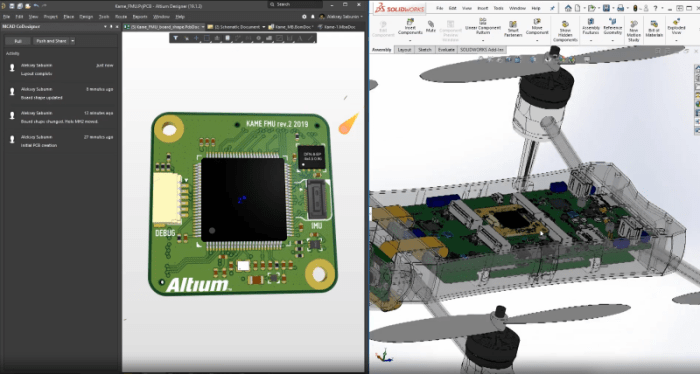
Altium Auto Route is a feature within the Altium Designer software that automates the process of routing printed circuit boards (PCBs), including those used in automotive design. This tool helps designers quickly and efficiently create PCB layouts by automatically routing connections between components.
Efficient PCB routing is crucial in automotive design to ensure optimal performance, reliability, and cost-effectiveness of the electronic systems within vehicles. With the increasing complexity of automotive electronics, the need for accurate and efficient routing has become more pronounced.
Manual Routing vs. Auto Routing in PCB Design
Manual routing involves designers manually tracing the paths of connections between components on a PCB layout. While this method allows for precise control over the routing process, it can be time-consuming and labor-intensive, especially for complex designs.
On the other hand, auto routing, such as Altium Auto Route, uses algorithms to automatically determine the best paths for connections based on defined design rules. This can significantly reduce design time and potential errors, especially for large and intricate PCB layouts.
Integration of Altium Auto Route into Automotive Design Process
Altium Auto Route plays a crucial role in streamlining the workflow of automotive PCB design by automating the routing process and optimizing signal integrity. Integrating Altium Auto Route involves several key steps that enhance the efficiency and accuracy of the design process.
Automated Routing Process
One of the primary ways Altium Auto Route integrates into automotive PCB design is through its automated routing capabilities. By utilizing advanced algorithms and design rules, Altium Auto Route can quickly generate high-quality routing solutions that meet the specific requirements of automotive applications.
Optimization of Signal Integrity
Altium Auto Route also helps in optimizing signal integrity by ensuring that critical signals are routed efficiently to minimize interference and signal degradation. This is essential in automotive design, where reliable communication and data transfer are paramount for the proper functioning of vehicle electronics.
Challenges Addressed by Altium Auto Route
- Complex Layouts: Altium Auto Route can effectively handle complex PCB layouts commonly found in automotive applications, reducing the time and effort required for manual routing.
- Signal Crosstalk: By implementing intelligent routing strategies, Altium Auto Route can mitigate signal crosstalk issues that may arise in densely packed automotive PCBs.
- Design Iterations: Altium Auto Route enables designers to quickly iterate and optimize PCB layouts, accelerating the design process and reducing time-to-market for automotive electronics.
Benefits of Using Altium Auto Route for Automotive PCB Design
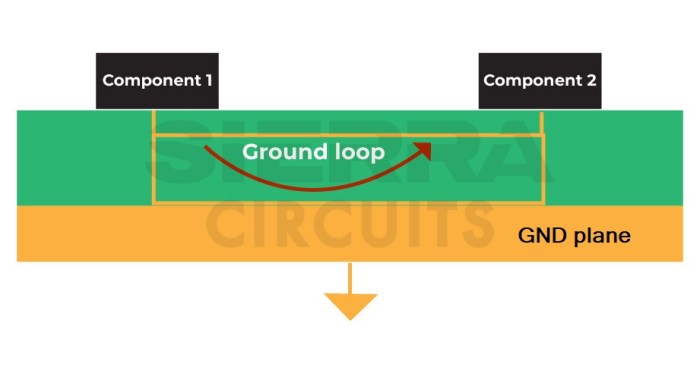
Altium Auto Route offers several key advantages for automotive PCB design, enhancing performance and streamlining the design process.
Enhanced Routing Efficiency
One of the primary benefits of utilizing Altium Auto Route is the enhanced routing efficiency it provides. The software’s advanced algorithms can automatically route traces, vias, and components in a way that optimizes signal integrity and reduces interference. This results in more reliable automotive PCB designs with improved performance.
Time Savings
By automating the routing process, Altium Auto Route can significantly reduce the time required to complete complex PCB designs. Designers can save valuable time that would otherwise be spent manually routing traces, allowing them to focus on other critical aspects of the design process.
Design Consistency
Altium Auto Route helps maintain design consistency across automotive PCB projects by applying standardized routing rules consistently. This ensures that all PCB designs meet the same high-quality standards, leading to more reliable and uniform performance across different automotive applications.
Error Reduction
Using Altium Auto Route can help reduce the likelihood of errors in automotive PCB designs. The software’s intelligent routing capabilities minimize the risk of signal integrity issues, electromagnetic interference, and other common design errors that can impact the performance of automotive electronics.
Best Practices for Optimizing Altium Auto Route in Automotive PCB Design
When working with Altium Auto Route in automotive PCB design, following best practices can significantly enhance the efficiency and effectiveness of the routing process. By implementing these tips, you can achieve optimal results and avoid common pitfalls that may hinder the design process.
Optimize Routing Strategy
- Before running the Auto Route feature, carefully plan the routing strategy based on the design requirements and constraints.
- Define critical nets and set priorities to ensure they are routed efficiently.
- Utilize Altium’s design rule checks (DRCs) to identify potential routing issues early in the design phase.
Use Interactive Routing for Complex Areas
- For complex or densely populated areas of the PCB, consider using Altium’s Interactive Routing feature instead of relying solely on Auto Route.
- Interactive Routing allows for manual control and adjustment, ensuring precise routing in challenging areas.
- Combine Auto Route with manual routing to achieve the best results in areas that require special attention.
Avoid Over-Restrictive Design Rules
- While design rules are essential for ensuring signal integrity and manufacturability, overly restrictive rules can limit the effectiveness of the Auto Route feature.
- Review and adjust design rules to strike a balance between ensuring quality and allowing the Auto Route algorithm to optimize routing paths.
- Regularly update design rules based on feedback from the Auto Route results to improve efficiency.
Iterate and Refine
- After running the Auto Route feature, carefully review the results and iterate on the design to make necessary adjustments.
- Use Altium’s visualization tools to identify and resolve any routing issues or violations efficiently.
- Continuously refine the routing strategy based on the feedback from each iteration to achieve the best possible layout.
Final Thoughts
In conclusion, the integration of Altium Auto Route into Automotive PCB Design showcases its significance in streamlining the design process and enhancing overall efficiency.
Q&A
What are the key advantages of using Altium Auto Route in automotive PCB design?
Altium Auto Route offers automated routing capabilities that can significantly improve efficiency and accuracy in designing automotive PCBs.
How does Altium Auto Route enhance the performance of automotive PCBs?
By optimizing routing paths and reducing signal interference, Altium Auto Route helps enhance the overall performance and reliability of automotive PCBs.
What are some common pitfalls to avoid when using Altium Auto Route in automotive PCB design?
Some common pitfalls include overlooking critical design constraints, not optimizing routing parameters, and neglecting to review the final design thoroughly.